

UK Horse Racing Not on: Understanding the Impact and Future
The landscape of UK horse racing has experienced significant changes in recent months, leading to numerous events being suspended or canceled. To understand this phenomenon more clearly, it’s essential to delve into the factors contributing to the current state of horse racing in the UK. If you’re interested in learning more about the rich history and future of this beloved sport, UK Horse Racing Not on GamStop check it out.
The Historical Context of Horse Racing in the UK
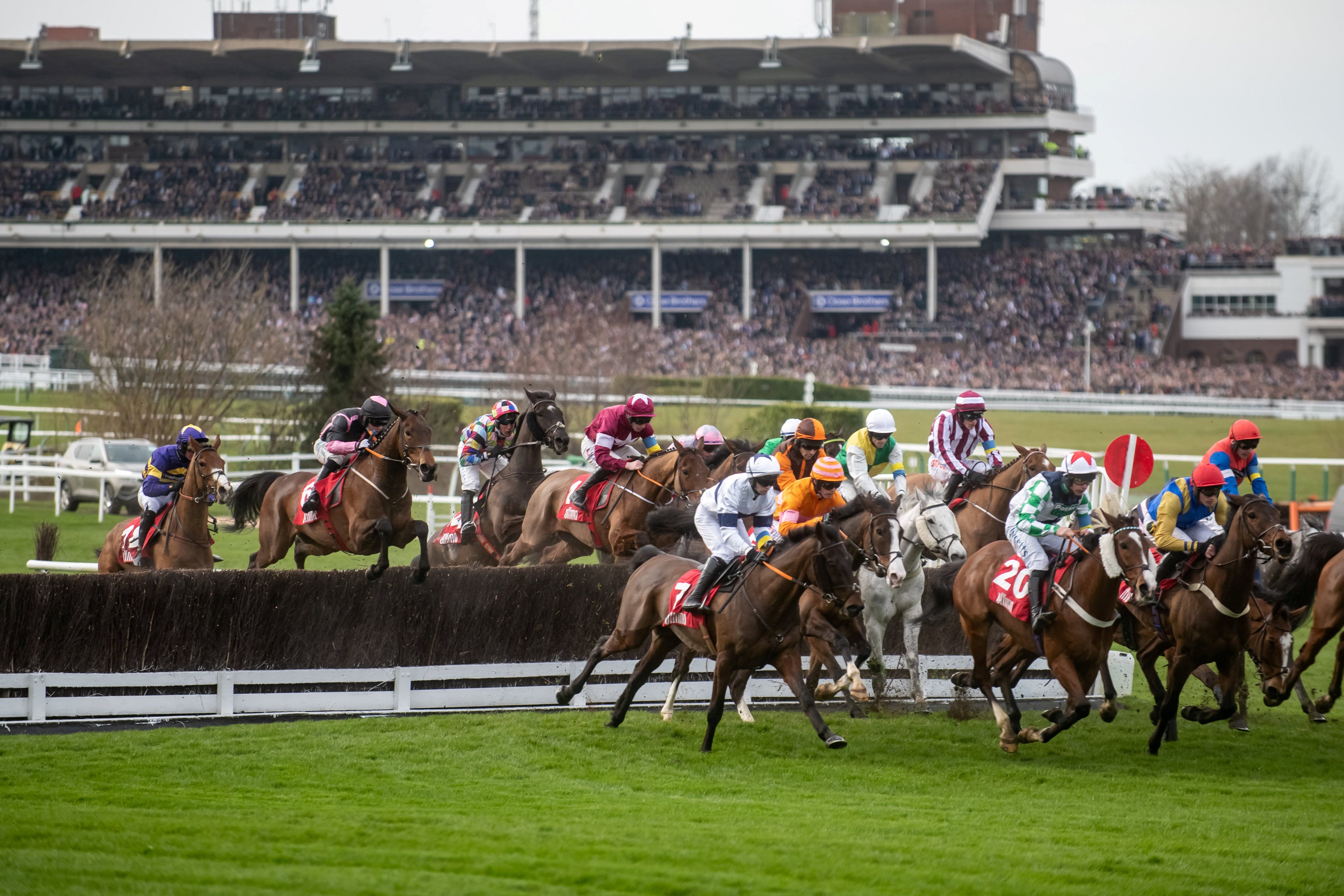
Horse racing has been an integral part of British culture for centuries, attracting crowds and creating a unique atmosphere at tracks across the nation. Whether it’s the iconic Royal Ascot, the Grand National, or local meets, horse racing in the UK has a storied history that is celebrated by millions. Traditionally, it has been a significant social event and a breeding ground for betting activities. However, like many aspects of life, horse racing is not immune to challenges that can lead to cancellations and changes in the schedule.
Reasons for Cancellations and Postponements
Several factors have led to the suspension of horse racing events across the UK:
- Weather Conditions: The UK is known for its unpredictable weather, which can often lead to unsafe racing conditions. Heavy rain, snow, or frost can make tracks unsuitable, resulting in races being called off.
- Health Concerns: The ongoing impact of public health crises, especially during the pandemic, has created an environment where large gatherings are discouraged. As a result, many events have been put on hold or transitioned to virtual formats.
- Regulatory Changes: Regulatory bodies may implement changes in response to safety or ethical considerations, leading to the suspension of certain events until new guidelines are established.
- Financial Impacts: The financial landscape for many racing venues has changed dramatically, especially with decreased attendance and revenue. Some tracks may find it challenging to operate, leading to event cancellations.
The Economic Impact on the Industry
The cancellation of races doesn’t just affect the enjoyment of fans—it has a ripple effect that impacts various stakeholders in the horse racing industry:
- Trainers and Jockeys: Many trainers and jockeys rely on races for their income. The lack of races can lead to financial strain for these professionals.
- Breeders and Owners: The breeding industry can suffer as the demand for racehorses fluctuates, directly impacting their profitability.
- Betting Shops and Online Platforms: Racing events generate significant revenue for betting shops. The absence of races affects their business, leading to reduced services and potential layoffs.
Alternatives and Adaptations in the Racing Scene
Despite the challenges, the UK horse racing industry has been incredibly resilient. Various adaptations have been implemented to keep the sport alive and engaging for fans:
- Virtual and Remote Events: Some racing venues began hosting virtual events, allowing fans to engage remotely. This transition has opened up new avenues for engagement, albeit without the traditional excitement of being at the track.
- Enhanced Safety Protocols: Racing organizations have adapted by implementing new safety measures to ensure that events can continue when conditions permit. These protocols aim to protect the health of both participants and attendees.
- Non-Racing Events: Some tracks have diversified their offerings by hosting non-racing events to generate revenue. This can include concerts, festivals, and community events that keep the venues active.
The Future of UK Horse Racing
While the immediate future of horse racing events in the UK may appear uncertain, there are several reasons to remain optimistic:
- Tradition and Passion: The deep-rooted tradition of horse racing in the UK means that many enthusiasts are dedicated to its continuation. This passion will drive efforts to revive events when feasible.
- Innovation in Engagement: The growing use of technology in sports may foster new ways for fans to interact with horse racing, including enhanced online viewing experiences and betting options.
- Community Support: Local communities and organizations have demonstrated support for their racing venues, which may help rally investments and resources to reinvigorate the industry.
Conclusion
The current status of UK horse racing may be challenging, but it is crucial to recognize the industry’s resilience and adaptability. From historical roots to modern innovations, the journey of horse racing continues. Engaging with the sport, even from a distance, will help maintain its presence in UK culture while paving the way for a brighter future. As we look ahead, supporting local tracks and staying informed about developments will be key to ensuring the continuation of this cherished sport.